



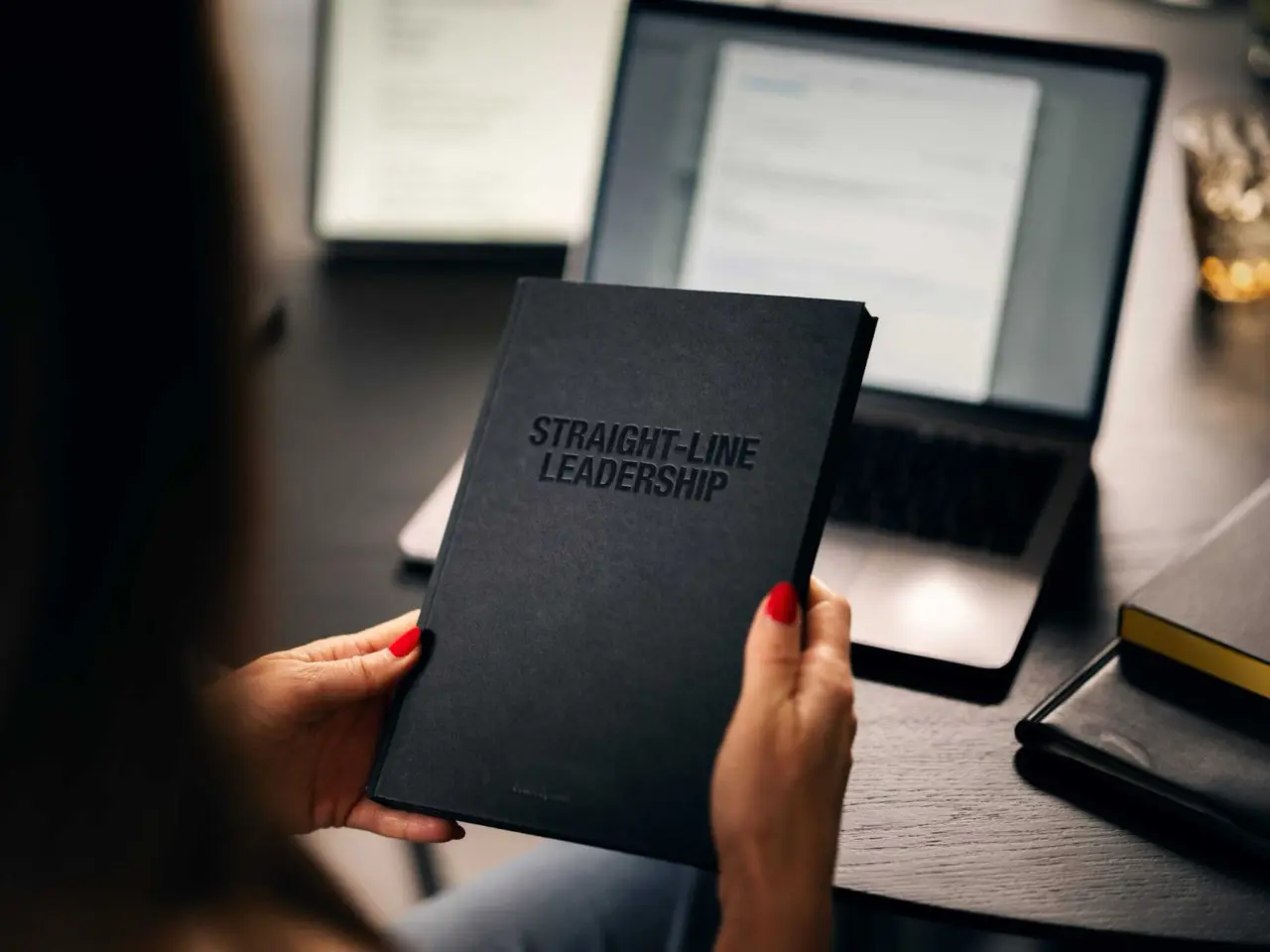
Most leaders know exactly what to do. They just don’t do it
Sounds strange, right? It’s not a lack of knowledge or capability. Nothing changes because the ground they operate from, the assumptions underneath every decision, almost never gets questioned.
From this point, American author Dusan Djukich started his life work. Dusan has worked with thousands of leaders and entrepreneurs. In boardrooms, on leadership teams, in companies where a wrong call costs real money and real people. The same thing surfaced every time. What separates the leaders who deliver from the ones who stall is not strategy and it is not knowledge. It is how a person relates to responsibility, to the truth in front of them and to their own word.
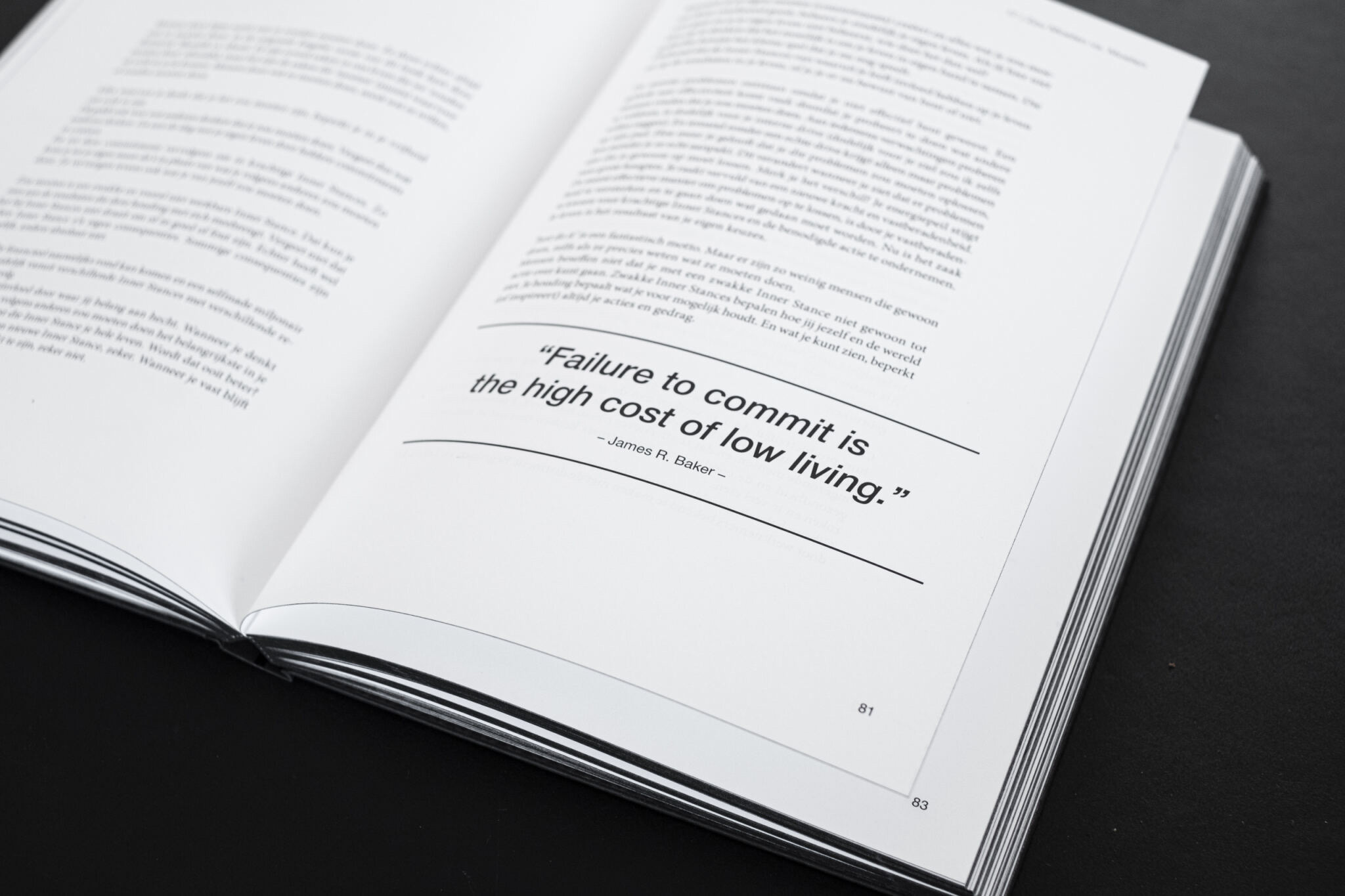
This is what the Straight-Line Leadership methodology is all about. You’ll discover 50 sharp either-or contrasts, which we call distinctions, that you’ll recognize in your own behavior. Each one shows you a place where you’ve been holding yourself back, and gives you clear tools to fix it.
Straight-Line Leadership is the methodology that emerged from that work. This book contains 50 distinctions. These are not abstract ideas, but practical distinctions that you can immediately recognize in your own behavior.
They show you where you’re holding yourself back. And what becomes possible when that stops.

Frequently Asked Questions
What is Straight-Line Leadership about?
Straight-Line Leadership is a practical leadership book written by Dusan Djukich. The book is built on one idea: who you’re being decides what you do. Rather than theory you read once, it gives you 50 distinctions you can recognize in your own behavior in the moment. So you can see where you hold yourself back and close the distance between where you are and where you want to be.
Who is Dusan Djukich?
Dusan Djukich is the originator of the Straight-Line method, which he’s developed since 1986 from San Francisco. The method is based on four decades of work with founders and executives in high-stakes settings. Straight-Line Leadership is the book that captures that work. His style is blunt and practical, aimed at getting capable people out of their own way.
Is Straight-Line Leadership free and how do I get it?
Yes, we give away the Straight-Line Leadership book for free. You can download the full book from this page: fill in the short form and you’ll receive the file right away. You’ll get access to the whole book, digitally. It’s being given away on purpose, so the proven blueprint reaches the people who will put the method to work. As straight-line leadership celebrates its 40 years birthday.
Is Straight-Line Leadership a management book?
No, Straight-Line Leadership isn’t a management book or a book of theory. It’s a practical leadership book you use in real situations. The book is not meant to read from cover to cover. You It gives you language to spot your own patterns and act, built around who you are being as the source of what you do, rather than tactics for managing things.
What are the distinctions in the Straight-Line Leadership book?
A distinction in Straight-Line Leadership is a clean either-or that shows you which side you’re operating from, like owning a result versus explaining it away, or choosing versus merely wanting. The book works through 50 of them. You don’t read the book front to back. You find the one distinction that fits the situation you’re in right now and use it to change what you do next.
Is Straight-Line Leadership worth reading?
It depends on what you want from it. If you’re after new theory to think about, probably not. If you already know more than you’re acting on and want language that shows you exactly where you stall, this book will help. It’s short, blunt, built to be used and readers tend to return to it.